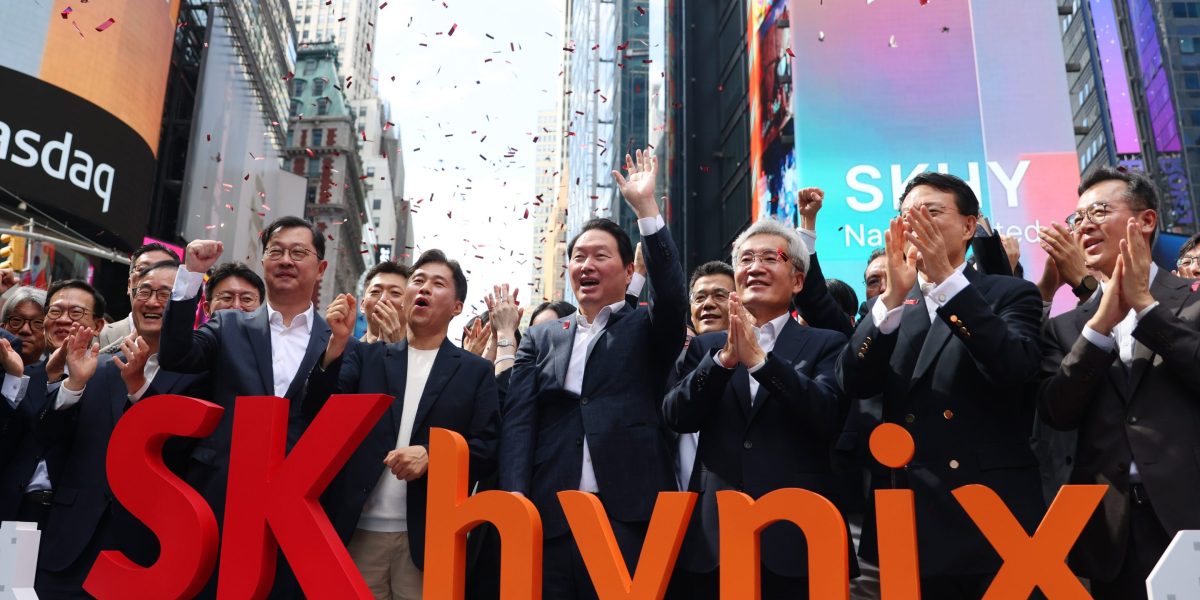
The recent 26.5 billion dollar Nasdaq debut by SK Hynix serves as a critical inflection point for the semiconductor industry. By shifting from a cyclical memory manufacturer to an essential architect of AI infrastructure, the company highlights a fundamental truth about the current gold rush. Success in the age of artificial intelligence requires more than just powerful logic processors; it demands the specialized memory architecture necessary to feed them.
From Commodity Memory to AI Essentialism
For decades, the memory industry was defined by brutal boom and bust cycles that decimated margins and discouraged long term R&D. SK Hynix managed to escape this commodity trap by pivoting aggressively toward high bandwidth memory, or HBM. As generative AI models grew in complexity, the bottleneck for performance shifted from processing speed to memory throughput. HBM provides the necessary bandwidth to keep GPUs fed with data, effectively turning a traditional commodity component into a high margin necessity. This shift was not merely fortuitous but the result of a calculated bet on compute architecture evolution. By locking in supply agreements with major hardware integrators, the company secured its position at the center of the AI supply chain. The sheer scale of their Nasdaq listing reflects a market realization that hardware foundations are as valuable as the software models themselves, providing investors a tangible proxy for AI growth that is decoupled from the volatility of AI startup valuations.
The Supply Chain Bottleneck and Capital Allocation
The massive influx of capital following the Nasdaq debut highlights a shifting priority among institutional investors: the flight to tangible infrastructure. While the software layer of the AI stack remains experimental and highly competitive, the hardware layer remains a clear winner due to the nature of the silicon moat. SK Hynix represents a category of infrastructure providers that benefit from the capital expenditure ramp up regardless of which specific AI model wins the consumer market. Their ability to execute on the complexities of HBM fabrication requires years of iterative technical expertise, creating a barrier to entry that new entrants cannot easily replicate. For investors, this creates a defensive play in a sector prone to speculative swings. By embedding themselves into the fundamental architecture of modern data centers, SK Hynix has insulated its business model from the inevitable cooling of consumer facing AI hype, focusing instead on the unrelenting demand for data center capacity and enterprise level computing power.
A Blueprint for Industrial Longevity
Looking forward, the success of this listing signals a broader trend where traditional industrial giants pivot to dominate the infrastructure required by the digital frontier. We expect to see more legacy hardware manufacturers repositioning their balance sheets to capitalize on AI demand. As compute requirements continue to scale exponentially, the relationship between logic and memory will only deepen. Companies that master this integration will dictate the ceiling for what artificial intelligence can achieve. The SK Hynix model proves that enduring value in the AI age is found not in the fleeting novelty of a chatbot, but in the physical, hard to replicate components that make modern machine intelligence possible. Future winners will be those who control the atoms, not just the algorithms, in this relentless race for greater computational efficiency.
"The rise of SK Hynix serves as a sobering reminder that the real fortune in the AI boom lies in the physical hardware that makes intelligent systems function at scale."