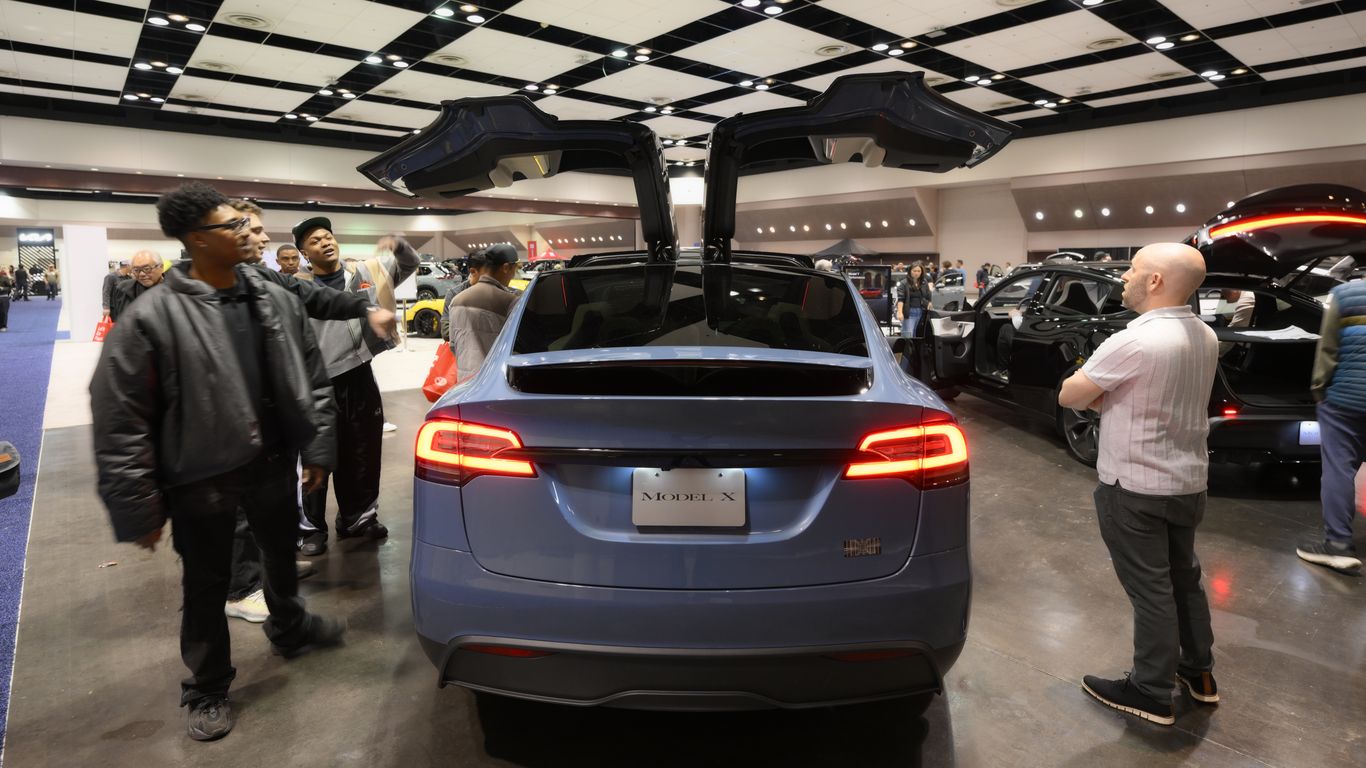
Tesla’s first‑quarter vehicle deliveries missed expectations, underscoring a slowdown in the EV market. At the same time, CEO Elon Musk is doubling down on artificial intelligence, positioning the company as a potential AI powerhouse. The juxtaposition forces founders, engineers, and investors to reassess where value is being created within the firm.
Why EV Sales Slipped
Tesla reported a modest rise in deliveries, but the growth rate lagged behind analysts’ forecasts and the broader auto industry’s rebound. Higher gasoline prices, lingering supply‑chain bottlenecks, and intensifying competition from legacy manufacturers entering the electric segment all contributed to a softer demand curve. Additionally, Tesla’s price cuts on older models eroded average selling prices, squeezing margins at a time when investors are scrutinizing profitability more closely than ever. For founders and engineers, the data highlights the importance of balancing volume growth with sustainable unit economics, especially as the market matures and consumer expectations evolve.
Musk’s AI Ambitions: From Autopilot to Full‑Scale AI Platform
Parallel to the EV slowdown, Musk has amplified Tesla’s AI narrative, positioning the company’s Dojo supercomputer and neural‑net capabilities as the next growth engine. The vision extends beyond driver assistance to a broader AI platform that could power everything from robotics to cloud services. If Tesla can monetize its AI stack, the revenue potential dwarfs its automotive business, echoing the trajectories of other AI‑first firms. However, the path is fraught with technical and regulatory hurdles, including safety validation, data privacy, and the need for a robust developer ecosystem. Engineers will need to solve scaling challenges, while investors must weigh the timeline for meaningful AI revenue against the capital intensity of building such infrastructure.
What Investors Should Watch Next
The coming quarters will reveal whether Tesla can translate its AI hype into tangible earnings. Key signals include the rollout of any AI‑powered products beyond the vehicle, progress on Dojo’s commercial licensing, and the impact of AI on vehicle margins. Regulatory developments around autonomous driving and data usage will also shape the risk profile. For founders, Tesla’s dual‑track strategy offers a case study in leveraging core competencies to diversify revenue streams, while engineers can learn from the integration challenges of marrying high‑performance hardware with large‑scale software ecosystems.
"Tesla’s current sales dip may be a short‑term pain, but the company’s AI gamble could redefine its valuation if it succeeds in building a scalable, monetizable platform."